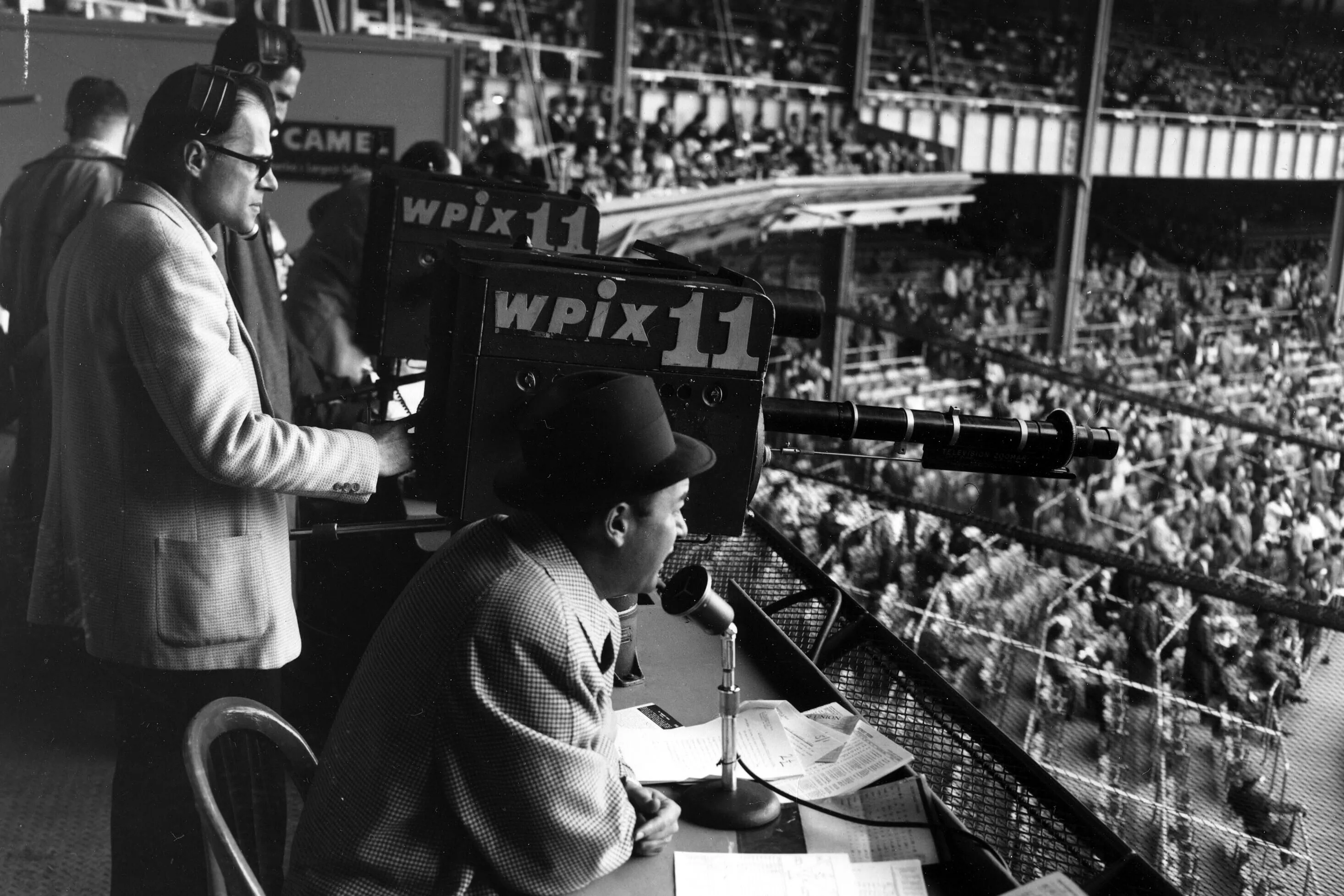
Live sports has been around since the first Olympics but it has evolved very slowly.
It takes three thousand years until Major League Baseball, the first modern league is formed. This establishes an evergreen replenishing event machine.
Then another 50 years pass until the first radio broadcast is made, which introduces non-stadium revenue to the business.
It takes another 30 years until the first televised game, which makes IP the profit engine of sports.
It takes another 40 years until ESPN is founded to propel the highlights and commentary era.
And then the evolution kind of stops. Sure the cameras and graphics are better. But what you watch today is essentially the same 50 year old video production process with a 100 year old announcing tradition.
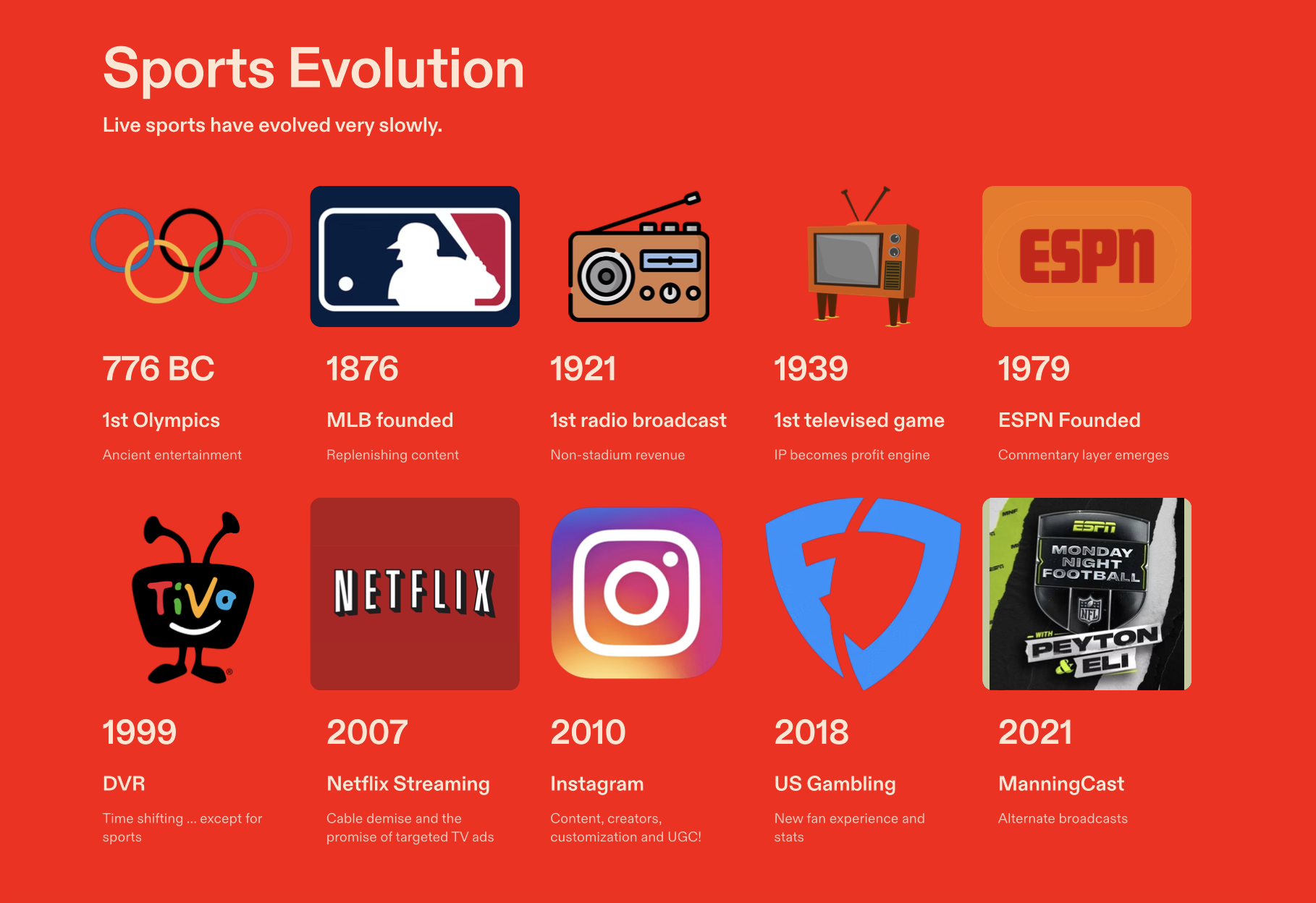
But media has changed dramatically in the last 25 years.
DVR introduces time shifting … except for sports, making it the last unskippable ad
Streaming sets off a complete distribution disruption which brings the demise of cable but also the promise of targeted TV ads
Social media made creators, content and customization proliferate. But UGC also becomes the first juggernaut competitor to Live Sports.
The legalization of sports gambling has transformed the fan experience more than anything since television.
And ESPN’s ManningCast legitimizes alternative broadcasts
The last one begs an important question: why did ESPN try the Manning and why is it working?
The broadcast booth hasn’t changed in 100 years. Could live sports be 10x more entertaining if it incorporated the power of creator economy?
I know some people who agree …
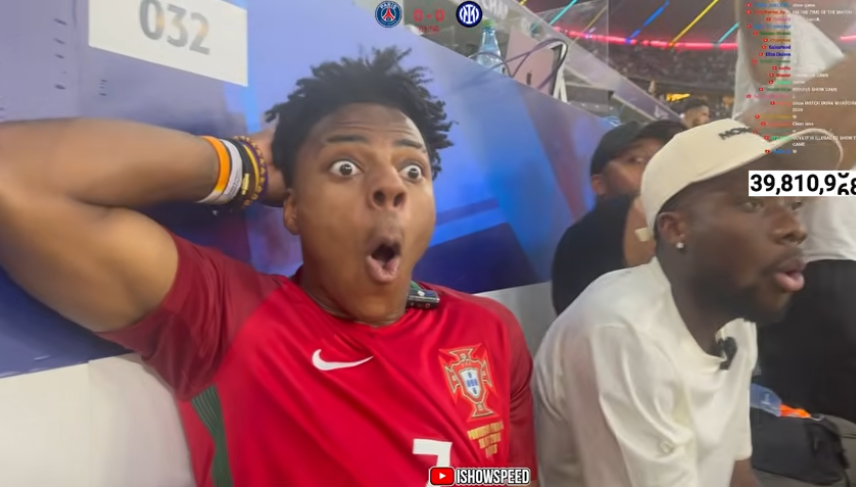
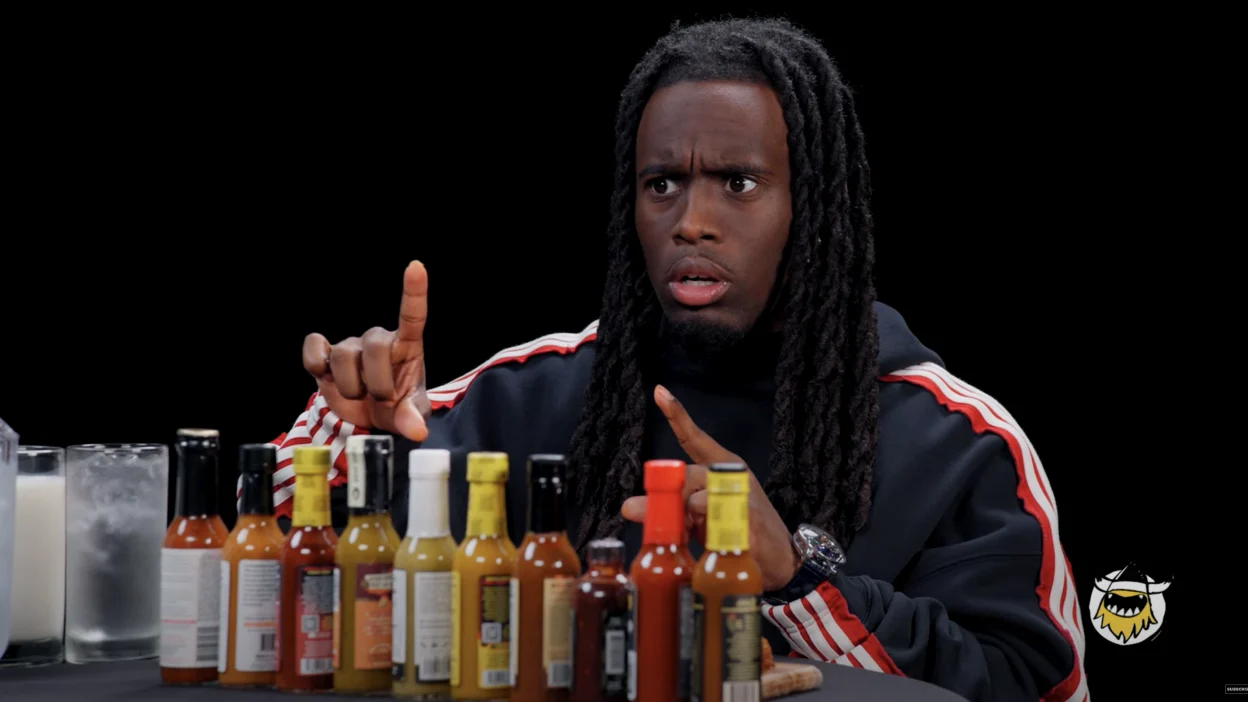
“If streamers and people at home are able to react to these games, it’ll only be crazier.” - Kai Cenat on Hot Ones
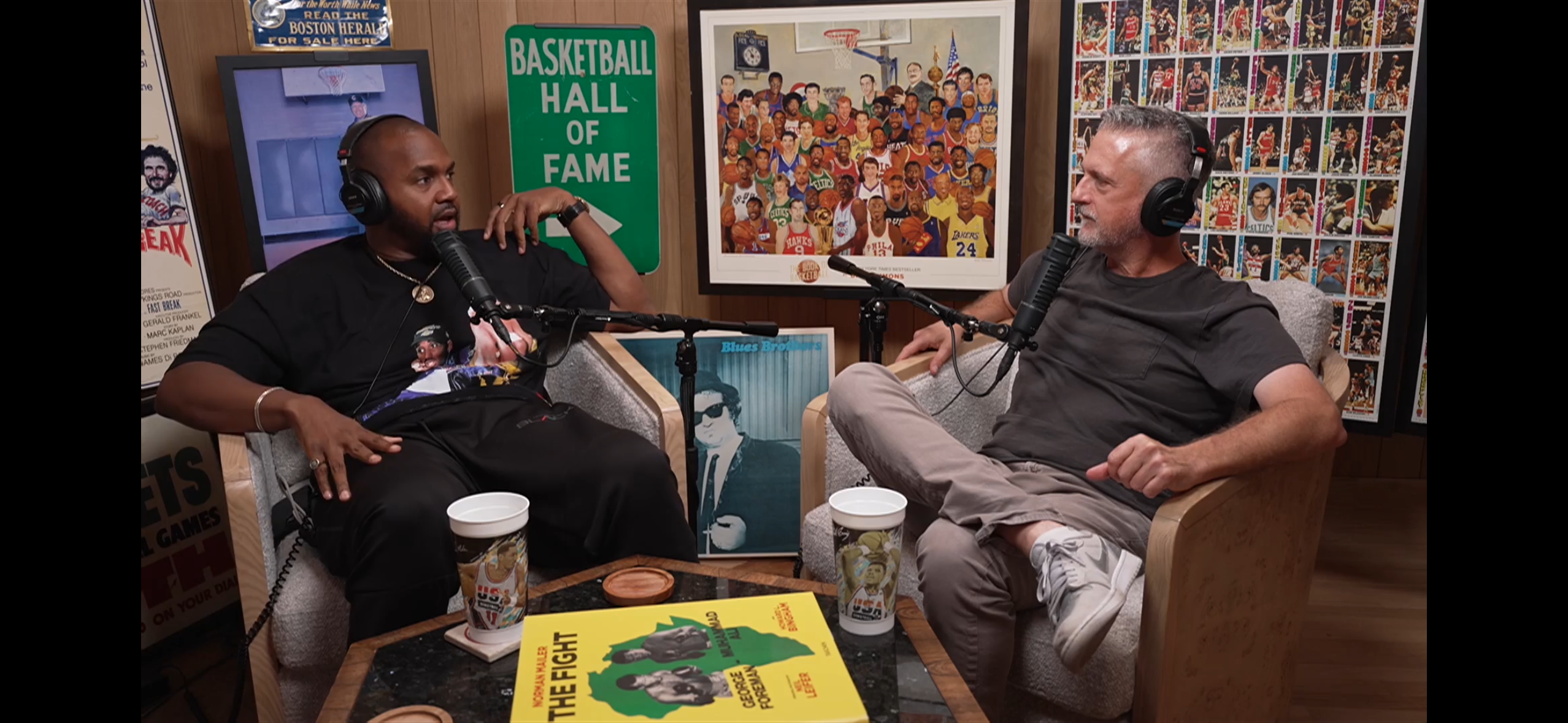
“They should have it where you can call the game on YouTube like you and your friends from your house and then people can watch you call the game.” - Bill Simmons Podcast
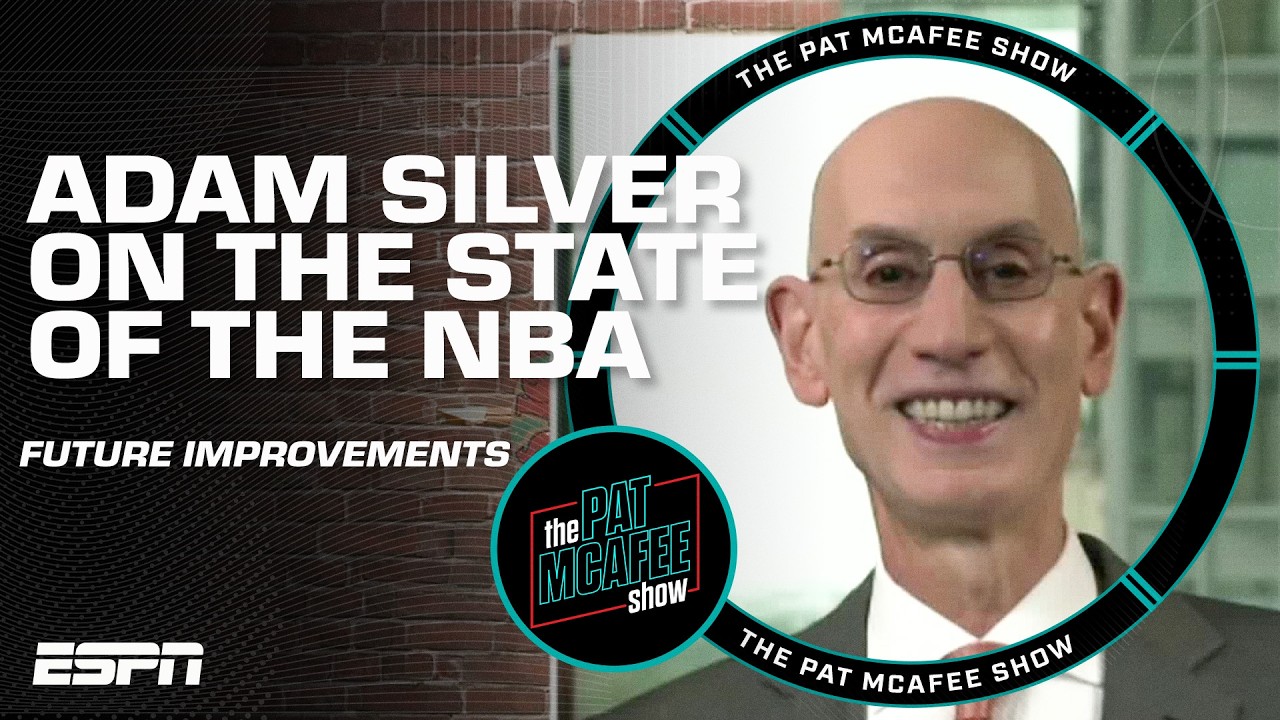
Pat McAfee: What does the future look like for you though with the association? How kind of far along do you look into that?
Commissioner Silver: Well, so on the technology front, so we talked about where it can improve the pace of the game with the calls, you know, the accuracy, but probably most importantly it can improve the fan experience. And I think that’s where, you know, we’re call it, you know, the personalization, hyperpersonalization of games where now, you know, I think of sort of what ESPN, your network’s doing with the Manning cast, but you can do that times whatever, where people are going to have the ability, all right, we’re we’re I kind of analogize it a little bit to, you know, you go to a game, you’re at a Thunder game, there’s 18,000 fans there, but in some ways there’s 18,000 different experiences. You’re talking to the person next to you. You may be texting at some point. You may be looking at somebody who’s sitting on the bench or somebody in the stands or you may be looking at a particular player on the floor even when that player doesn’t have the ball. You know, all those different opportunities. I think in the world of hyperpersonalization through streaming, you’re watching that game, but there may be a particular aspect you want to focus on. You may be a hardcore fan and you what you want to hear is sort of expert X’s nose like explaining what defense offense are being run. You may be a casual fan who doesn’t really watch the NBA all season long. - NBA Commissioner Adam Silver on the Pat McAfee Show