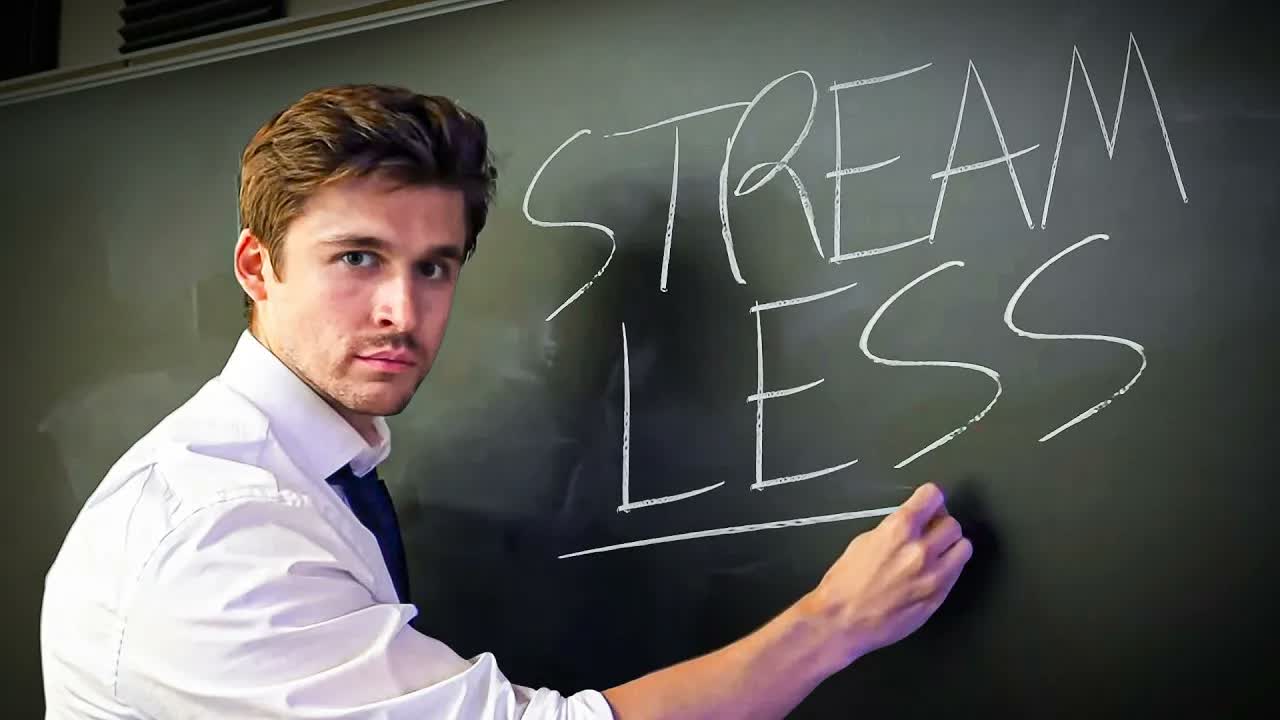
Ludwig Ahgren is a streamer and YouTube creator who approaches content with a strategist’s eye. He plans live segments that can become videos, studies what makes people click and keep watching, and treats audience growth as something to work on deliberately. His playbook starts with a surprisingly blunt admission.
“To be a successful streamer, you have to get lucky.”
That could sound discouraging. For Ludwig, it’s a reason to prepare. You can’t schedule the moment that introduces you to a bigger audience. You can decide whether you’ll have a clear identity, a sustainable routine, and something worth returning to when that moment arrives.
His playbook gives aspiring streamers a way to work on those things now. And for sports creators on Assist, the next game offers a useful place to start.
Give Yourself Credit for Showing Up
Keep in mind, 92% of streamers do not go live a second time … to be in the top 1% all you need is 20 viewers.
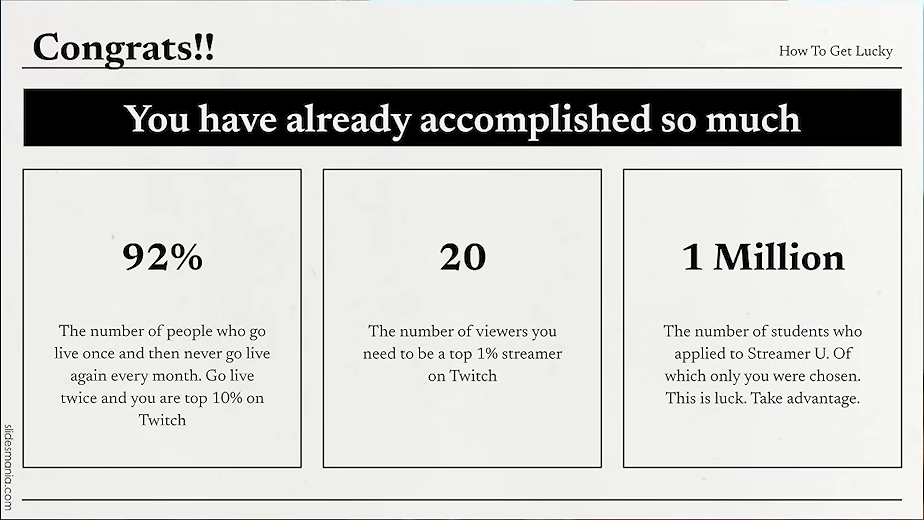
The perspective behind them is useful: a small room of people choosing to spend time with you already means something.
Twenty people can look insignificant beside a stream drawing thousands. Picture those twenty people sitting in a room listening to you call a game. They have other options. They chose this one.
For an Assist creator, that’s a community you can start serving today. Learn what brings them back. Notice which questions start conversations. Develop a format they can recognize. You don’t need to wait for a huge audience before taking the audience you have seriously.
Make a Plan You Can Repeat
Ludwig spends time on goals, schedules, and the difference between motivation and discipline.
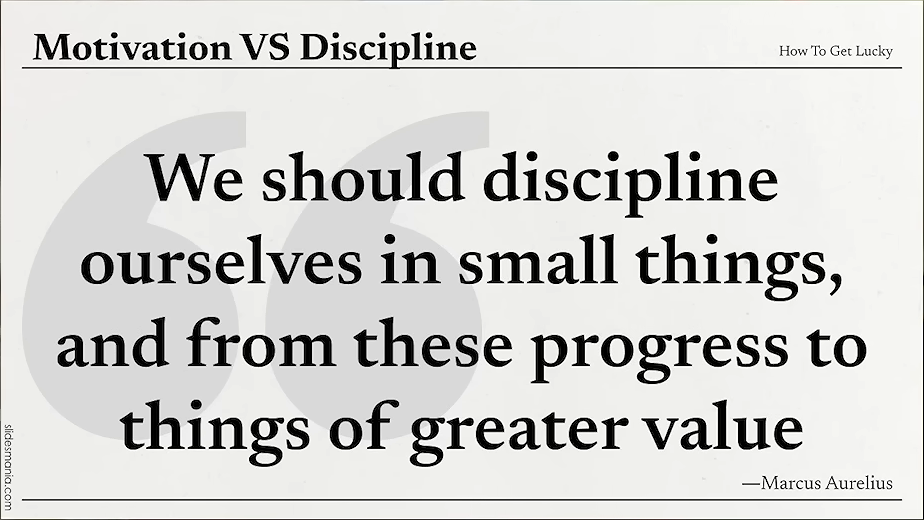
Small things are where a creator’s routine becomes real. Prepare before going live. Set aside time to think of ideas. Follow a schedule you can sustain. Take days off. Give yourself a way to keep doing the work after the initial excitement wears off.
Sports already provides a calendar. Use it to make a workable commitment: which games will you cover, when will you prepare, and when will you turn the best moments into clips? Leave time for all three. A schedule that only contains live hours leaves a lot of the creator’s job unplanned.
Make the goal something you can act on. For example: cover two games a week for a month, prepare one discussion topic for each, and publish a clip that gives people a reason to join the next one. That’s a plan you can review and improve.
Find Your GOATs—and Study Why They Work
So, what does it mean when I say who is your goat? I need you to find streamers in the niche you are in.
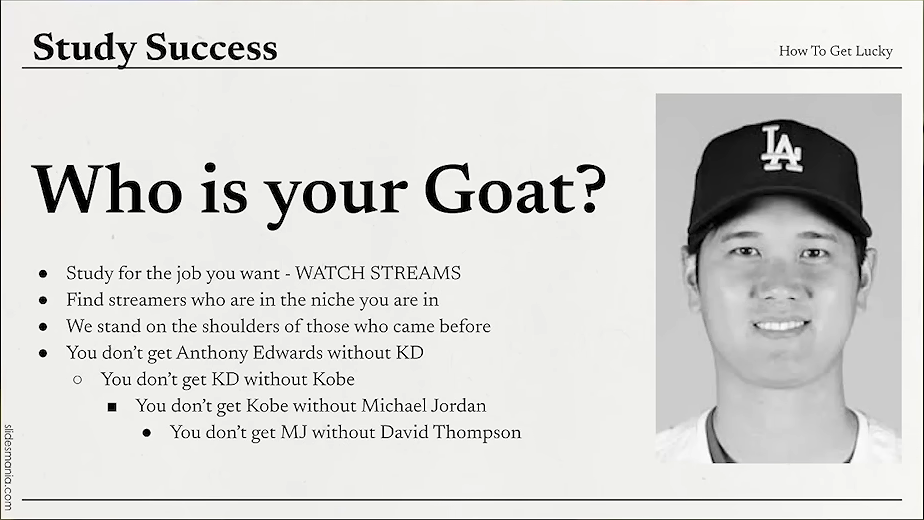
Identify three creators and explain what you admire about their work. The exercise turns being a fan into a way to learn.
If you call basketball on Assist, watch other basketball creators with a question in mind. How do they explain a complicated possession without losing the pace of the game? What do they do during a timeout? How do they bring chat into the conversation? What about a clip makes you want to watch the rest?
Study beyond your immediate format, too. A broadcaster might teach you pacing. A team analyst might teach you how to explain a scheme. A funny fan creator might show you how a recurring bit makes an audience feel involved. Learn the specific skill and find a version that fits your own voice.
Be Ready When a Clip Brings Someone In
Clips get views, but the live audience doesn’t grow if you don’t properly set expectations. If the personality in the clip doesn’t resemble the experience of watching the stream, a new viewer may leave.
That’s especially relevant to sports. A game-winning shot creates a peak. Most of the watch along happens between peaks. Your analysis, conversations, humor, and point of view give the quieter stretches their value.
When you share a clip from Assist, let it represent the experience someone will actually find. The excitement can be exceptional while the personality stays consistent. Give viewers a clear sense of who they’ll be spending the next game with.
Do the Homework
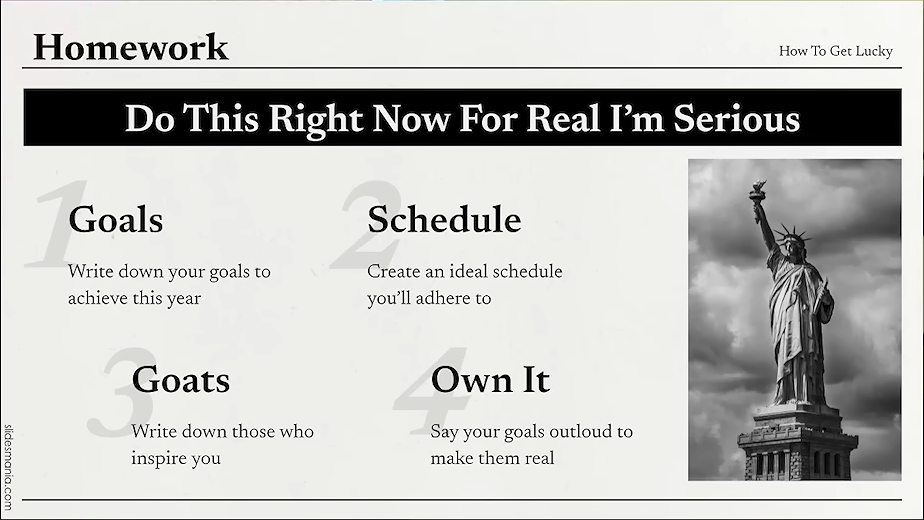
Write down your goals, create an ideal schedule, identify the people who inspire you, and say your goals out loud.
Before your next Assist stream, try it. Choose a goal for the next month. Put your preparation, live games, and clip work on the calendar. Name three creators you can learn from and one thing you want to study in each. Tell someone what you’re working toward.
You still can’t choose when luck arrives. You can give it more opportunities to find you—and make sure there’s a reason for people to stay when it does.